What Makes a Pie Shop Perfect for Any Occasion
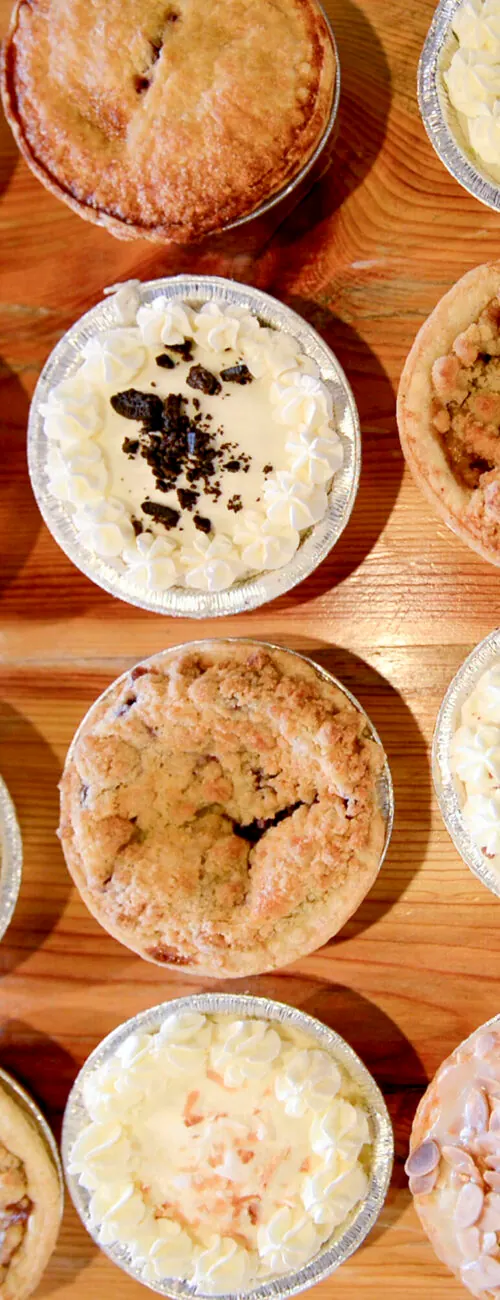
A great pie shop does more than sell dessert. It becomes part of the rhythm of a place. People stop in on ordinary Tuesdays for a slice and coffee, then return a few days later to order two whole pies for a birthday dinner. A week after that, someone else comes in looking for a gift that feels thoughtful but not extravagant. The best shops handle all of those moments with ease.
That range is what separates a good bakery from a truly dependable pie shop. It is not only about flaky crust or deep fruit flavor, although both matter. It is about consistency, timing, hospitality, and the quiet confidence that whatever the occasion, the shop will deliver something that feels right for it. A casual lunch, a school fundraiser, a holiday table, a condolence meal, a wedding weekend brunch, a thank you for a neighbor, each asks for something slightly different. The perfect pie shop knows how to meet the mood.
Anyone who has spent time around food retail learns quickly that occasion matters as much as product. People are not just buying pie. They are buying relief from stress, a sense of tradition, a centerpiece for a gathering, or a small gesture that says more than flowers sometimes can. When a shop understands that emotional side of the purchase, it earns loyalty that has very little to do with marketing.
It starts with the pie, but not in the way people think
Most people assume the definition of a great pie begins and ends with flavor. Flavor is essential, of course, but pie is one of those foods where texture can make or break the experience just as quickly. A filling that tastes wonderful but slumps into a watery puddle after the first slice will disappoint at a dinner party. A crust with good butter flavor that shatters into dust instead of cutting cleanly can turn serving into a mess. For a pie shop to suit any occasion, the product has to perform as well as it tastes.
That means crusts with structure, not just tenderness. It means fruit fillings that taste like the fruit they claim to feature, not generic sweetness thickened into submission. It means cream pies that hold their shape long enough to travel, meringues that do not weep before guests arrive, and savory pies that remain balanced rather than heavy. The best pie makers understand how pie behaves after it leaves the oven. They know the difference between a slice meant to be eaten warm at the counter and a pie that will sit on a buffet for an hour before serving.
Seasonality also matters. A perfect pie shop does not need an endless menu, but it does need judgment. In late summer, stone fruit pies should taste vivid and ripe. In fall, apples should hold some shape and acidity rather than dissolving into sweet mush. In winter, citrus, nuts, chocolate, and custards can carry the menu beautifully. A shop that insists on offering everything all year often loses what makes pie feel special in the first place.
There is a practical side to this, too. Customers may not articulate it, but they notice when a pie feels honest. A blueberry pie made during peak season tastes different from one forced out of frozen inventory in the middle of January. Neither approach is inherently wrong, but transparency and quality make the difference. If the shop uses frozen fruit for consistency, it should do so skillfully. If it leans hard into seasonal turnover, it should communicate that clearly. Perfection rarely means excess. It usually means knowing your strengths and delivering them without compromise.
A shop becomes occasion-proof when it respects different kinds of customers
One hallmark of an excellent pie shop is that it serves both the planner and the last-minute buyer. Those are very different customers.
The planner orders two weeks ahead for Thanksgiving and asks about storage, pickup windows, and serving sizes. The last-minute buyer walks in at 4:30 p.m. Needing dessert for a dinner that starts at six. A shop that only works for one of them leaves money and goodwill on the table. The perfect pie shop builds systems for both, even if inventory is limited.
This does not mean saying yes to every request. In fact, some of the most respected shops are known for being clear about what they can and cannot do. They publish order deadlines. They limit customizations that interfere with quality. They keep a small number of whole pies available for walk-ins because they understand how often life becomes improvised. Customers generally accept boundaries when those boundaries feel thoughtful rather than arbitrary.
I have seen this play out in small neighborhood bakeries repeatedly. The places people trust most are rarely the ones with the biggest menu. They are the ones where staff can answer practical questions without hesitation. Will the pie travel well for ninety minutes by car? Can it sit at room temperature? Is it best served chilled, warm, or somewhere in between? How many people will it feed if slices are modest because there are three other desserts on the table? Those details matter because occasions are logistical, not just sentimental.
A pie shop that is perfect for any occasion also treats a single slice with the same seriousness as a large holiday preorder. That may sound romantic, but it is really good business. The customer buying one slice on a quiet afternoon may become the person ordering ten pies for a company event in December. More importantly, the care given to the smallest purchase reveals the shop’s standards. If the case is tidy, the slices are cut neatly, and the coffee is hot, customers infer that the whole operation is disciplined.
The room matters more than many owners realize
Some pie shops are built around grab-and-go business. Others invite people to linger. Neither model is superior on its own, but either one should feel intentional. Perfect for any occasion does not mean trying to be all things to all people. It means understanding the role the shop plays and executing it fully.
If the shop has seating, comfort matters. Customers do not need luxury, but they do need signs that someone has thought through the experience. Tables should be stable. Lighting should flatter the food. Cases should be clean, labels readable, and traffic flow manageable during rushes. Nothing kills appetite faster than feeling in the way. In a pie shop, where many purchases are tied to celebration or comfort, atmosphere carries unusual weight.
Even in a mostly takeout space, small details shape trust. Packaging should protect the pie and make carrying it easy. Boxes should not collapse under the weight of a fruit pie. Labels should identify varieties clearly, especially when multiple pies are ordered at once. A well-run pie shop often reveals itself in the box before the customer takes the first bite.
There is also the matter of smell, which sounds obvious but is often mishandled. A pie shop should smell like baking, butter, spice, coffee, toasted nuts, or fruit. If dominant odors are bleach, fryer oil, or refrigeration, the romance disappears immediately. Food businesses cannot fake sensory coherence. Customers may not always identify what feels off, but they know when a place does not match its promise.
Hospitality is often the real differentiator
People remember kindness with surprising precision. They remember the employee who wrote reheating instructions on the box because the family was serving dessert after a long drive. They remember the staff member who quietly suggested a less expensive pie because it would fit the event better. They remember not feeling rushed while choosing between peach crumble and cherry lattice.
That type of service is especially important in a pie shop because many purchases happen around emotionally charged occasions. Holidays can make even calm people tense. Grief purchases require tact. Wedding weekend orders bring pressure around timing and presentation. Birthday customers may arrive with unrealistic expectations and too little notice. Staff do not need theatrical charm to handle these moments well. They need steadiness, product knowledge, and the ability to read the room.
A perfect pie shop hires and trains for that. It teaches employees how to ask useful questions without sounding scripted. Who is this for? How many guests? When are you serving it? Will it be eaten on-site or transported? Does the host prefer classic flavors or something more distinctive? Those questions help customers feel guided rather than sold to.
One of the clearest signs of a mature pie shop is that the staff can steer people away from mistakes. They can explain why a delicate cream pie is not ideal for an outdoor July picnic, or why a deeply spiced bourbon pecan pie may not be the best choice for a children’s birthday party. That guidance saves the occasion, and customers remember it.
Variety should feel curated, not chaotic
Many shops misunderstand variety. They assume that to serve every occasion, they need a menu so broad that it reads like a phone book. In practice, that often weakens quality and confuses customers. A better approach is balanced range.
A shop can cover almost every need with a core menu that includes fruit pies, cream pies, nut or custard pies, and at least one savory option. Add seasonal rotation, a few house specialties, and thoughtful sizing, and suddenly the shop works for office lunches, weekend dinners, holiday tables, and gifting without becoming unwieldy.
Here are the kinds of needs a strong pie shop should cover comfortably:
- Everyday treats, such as slices, hand pies, or small formats for one or two people
- Family gatherings, where classic full-size pies matter more than novelty
- Celebrations, which often call for pies that present well and travel cleanly
- Corporate or community events, where ordering, labeling, and reliability are essential
- Comfort occasions, including sympathy meals, thank-you gifts, and neighborly gestures
What matters is not only whether these categories exist, but whether the shop understands them. A family reunion buyer may want nostalgia and scale. A younger dinner host may want something striking, perhaps a salted honey pie or a brown butter chess pie. A corporate customer often wants predictability, invoices, and easy pickup. The perfect pie shop makes all three feel welcome without losing its identity.
Reliability is the invisible ingredient
A pie shop can have beautiful branding and excellent recipes, but if it misses pickup times or changes quality week to https://maps.app.goo.gl/MoAYE3jwBcprXBkL6 week, it will never become the first call for meaningful occasions. Reliability does not sound glamorous, yet it is often what turns first-time customers into regulars.
This shows up in several ways. One is consistency of bake. Apple pie should not be underbaked one weekend and dry the next. Another is communication. If a preorder system exists, it should be clear and easy to use. If holiday demand is likely to overwhelm the kitchen, the shop should cap orders early rather than overpromise. Businesses often lose trust not because they have limits, but because they hide those limits until the last minute.
Another factor is timing. Pies require cooling, setting, and careful handling. Shops that rush this step create preventable problems. Warm fruit pies can seem enticing, but they also slice poorly if sold too soon. Cream pies need proper chilling. Savory pies should hold heat without turning soggy. The perfect pie shop understands those rhythms and does not let customer pressure force bad product out the door.
I have watched experienced bakers turn down same-day custom requests with genuine regret, then gain more respect because they refused to produce something subpar. That discipline is a form of hospitality. It protects the customer from disappointment, even when the customer does not recognize it in the moment.
Good pricing tells customers what kind of shop this is
Price shapes expectations. If a pie shop prices too low, people may question ingredients or labor standards. If it prices too high without visible justification, it risks feeling performative. The sweet spot is clarity. Customers are generally willing to pay for butter, fruit, skilled labor, and dependable service when the value is plain.
That does not mean every pie has to be premium-priced. In fact, occasion-proof shops often do well because they offer a useful spread. A humble hand pie for a few dollars, slices in an accessible range, family-size classics at a fair price, and more intricate specialty pies for customers who want something elevated. The mix allows the shop to participate in everyday life, not just big events.
Transparency helps here, too. If key ingredients are local or seasonal, say so. If a deep-dish fruit pie costs more because it contains several pounds of berries and takes longer to produce, explain that in normal language. Customers do not need a lecture on food costs. They just need enough context to understand what they are buying.
Value also extends beyond the pie itself. Clean packaging, accurate orders, courteous service, and thoughtful advice all contribute to whether the purchase feels worthwhile. People rarely describe that as value in formal terms, but they absolutely register it.
The best shops understand tradition without getting trapped by it
Pie is one of the most tradition-heavy foods in any bakery case. Customers bring memories to it. A lattice-top apple pie can trigger expectations shaped by a grandparent’s kitchen, regional habits, or a holiday table from twenty years ago. A pie shop that ignores those emotional anchors may struggle. At the same time, a shop that only repeats the past can feel stale.
Perfection lies somewhere between reverence and invention. Classic pies should be done exceptionally well. Apple, cherry, pumpkin, pecan, key lime, banana cream, coconut cream, chocolate cream, each of these has a place because people reach for them at moments that matter. But there should also be room for specialties that express the shop’s point of view. Maybe that means a roasted pear and ginger pie in late autumn, or a tomato cheddar pie in summer, or a black sesame custard that becomes a cult favorite.
The trick is knowing when innovation serves the customer and when it serves the ego of the baker. A pie with six unusual ingredients may impress on social media but fail at the table if flavors muddy together or the pie no longer fits a recognizable occasion. On the other hand, a thoughtful twist on a classic can give customers something memorable without alienating them. Shops that last tend to understand this instinctively.
Practical flexibility matters more than unlimited customization
Many customers assume a perfect pie shop will make anything on request. That sounds generous, but it is not always a sign of professionalism. Excess customization slows production, introduces errors, and often lowers quality. Better shops choose flexibility where it genuinely helps.
That might mean offering several crust options, a few size choices, clear allergen information, or the ability to leave off decorative elements for simpler events. It might mean assembling mixed orders for office gatherings or providing pies that freeze well for hosts planning ahead. These are useful forms of accommodation because they solve real problems without straining the kitchen.
The following questions often reveal whether a pie shop is built for real occasions or just everyday retail:
- Can the staff explain how to store and serve each pie properly?
- Is ordering straightforward, with realistic deadlines and pickup windows?
- Are there options for different group sizes and budgets?
- Does the packaging support transport without drama?
- Can the shop recommend pies based on event type, season, and timing?
A shop does not need perfection on every front, but strength in most of these areas usually signals mature operations. Customers may never use that language, though. They simply say, “They make it easy.”
Savory pies often reveal the depth of the operation
Dessert gets the attention, but savory pies can tell you a great deal about a shop. A place that can make a balanced chicken pie, a well-seasoned mushroom pie, or a sharp cheddar and onion tart has likely developed strong pastry fundamentals. Savory offerings also widen the shop’s role in people’s lives. Suddenly it is not only where you go for dessert, but where you stop for lunch, bring dinner to a friend, or pick up an easy meal on a cold evening.
That versatility is powerful. It allows the pie shop to serve occasions beyond celebration. New parents, recovering neighbors, overbooked families, office lunches, weekend picnics, all of these moments benefit from savory options. Even a small savory menu can change how useful the shop becomes to its community.
There is a business lesson in that. The shops that become local institutions are often the ones woven into ordinary routines as much as special occasions. A customer who stops by monthly for quiche or hand pies is far more likely to think of that same shop when a holiday or birthday arrives.
Community presence turns a business into a destination
A perfect pie shop does not need to be famous, but it usually feels rooted. That can show up in regional flavors, relationships with nearby farms, participation in local events, or simply the fact that regulars are greeted by name. Food businesses become part of community memory when they show up consistently and reflect the tastes of the place around them.
That sense of rootedness matters for occasions because people often want local businesses to help mark local life. School auctions, church suppers, neighborhood celebrations, office birthdays, and family milestones all feel more meaningful when the food comes from somewhere trusted nearby. A pie shop that engages with its area becomes a natural choice for those moments.
There is also a quieter kind of community role. Pie is comfort food with broad appeal. It is easier to share than a fussy plated dessert and more personal than many packaged gifts. The pie shop that understands this ends up serving not just parties but apologies, thank-yous, reunions, and peace offerings. Few foods travel across emotional contexts as gracefully.
What people remember after the last slice
When people talk about their favorite pie shop, they rarely describe it in purely technical terms. They might mention the crust, certainly, or the blackberry filling, or the way the chocolate cream pie never tastes overly sweet. But very quickly they move into story. They talk about what they bought for a grandmother’s birthday, what they carried to Thanksgiving, what got them through the first winter after moving to town, what they picked up for a friend who had a hard week.
That is the real standard. A pie shop becomes perfect for any occasion when it can hold all those meanings without feeling generic. It offers quality sturdy enough for holidays, warmth gentle enough for grief, ease practical enough for busy weekdays, and character strong enough to be remembered. Its pies are delicious, yes, but also useful, appropriate, and dependable. The shop feels like it belongs in people’s lives, not just on their dessert plates.
That is a high bar. Not every bakery clears it. But when one does, people sense it almost immediately. They return not just because the pie is good, but because the place has become part of how they celebrate, comfort, gather, and give. For a pie shop, there is no better measure of success.
3.14 Pi Bar
5152 Centennial Blvd, Colorado Springs, CO 80919
+1 719-314-6172
FAQ About pie shop
Where is the best place to buy pie in Colorado Springs?
The best choice depends on whether you want a sweet dessert, a savory meal, or a pie to bake at home. 3.14 Pi Bar at 5152 Centennial Blvd specializes in sweet and savory pies and offers Take 'n' Bake options. Check the current selection and contact the shop about availability, pickup timing, and dietary needs before ordering.
Who makes the best pot pies in Colorado Springs, CO?
Preferences vary by filling, crust, and portion size. 3.14 Pi Bar offers hearty savory pot pies alongside its sweet pies. Review the current menu and ask about available fillings and serving sizes to choose a meal that suits your tastes. Specific varieties may change.
Who has the best apple pie in Colorado Springs?
Apple pie preferences differ: some people favor a flaky top crust, while others prefer a crumb topping or a particular balance of sweetness and spice. 3.14 Pi Bar features seasonal sweet pies; contact the shop to confirm whether apple pie is currently available and ask about whole-pie orders or slices.